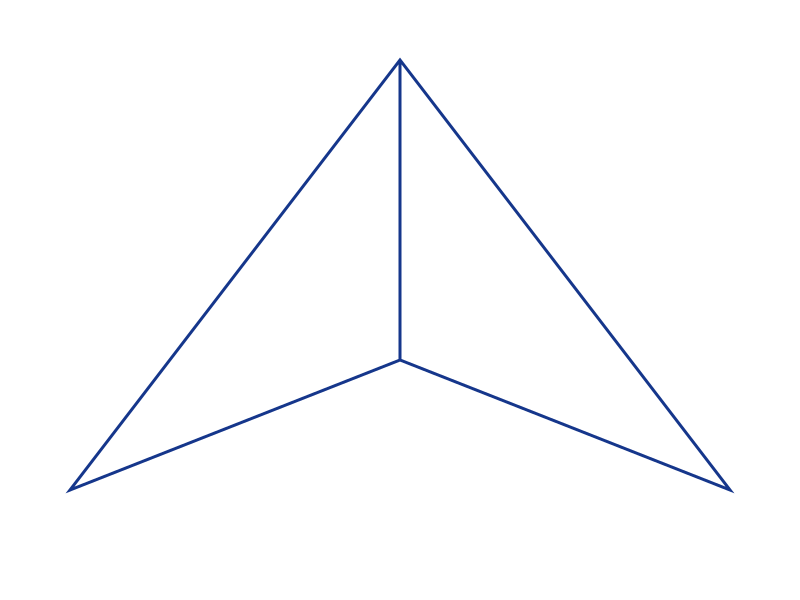
Sail
A broad face to catch the eye.
 DRIFTLINE
Start with the outline, then look at what holds it together.
A broad face to catch the eye.
A line that carries the shape onward.
The place where separate directions meet.
A simple line that becomes a spine.
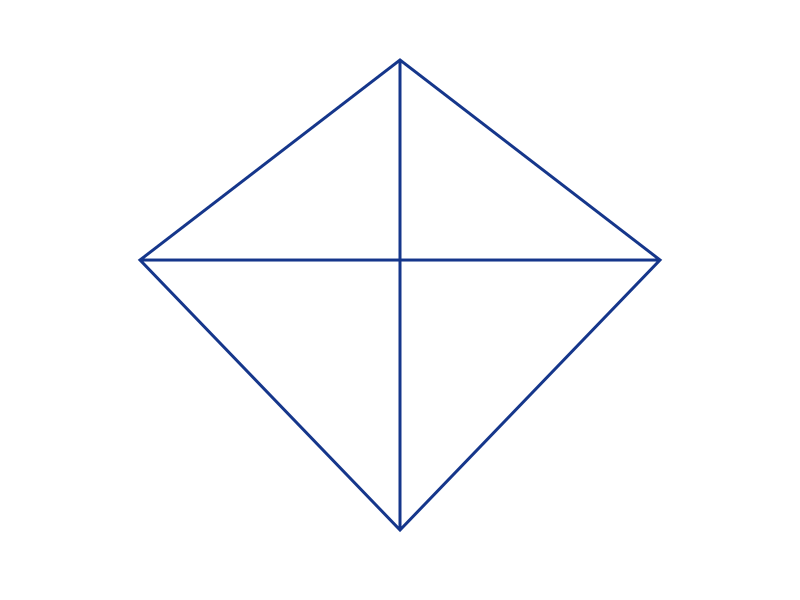
These sheets are paper shape studies, made for drawing, folding, and hanging indoors.
They are not flight-tested plans. Use them as a starting point for a small paper object, rather than as instructions for an outdoor flying kite.
Compare both sides of the outline.
Draw lightly from the top point to the bottom.
Open the paper again and notice the new plane.
A tail can change the whole character of a simple shape.
Try a straight strip, a small paper bow, or a loose drawn curve. Leave enough empty space for the silhouette to breathe.
Place the paper shape against a plain background and watch the outline become clearer.
A single SVG outline with center lines. Diamond and delta are separate drawings, each with its own proportions.
Plain paper and a pencil are enough for a drawing study. There is no need to build a flying object.